Welcome to The Sea Lions

Your worth exists beyond the screen.

We are a youth-led passion project raising awareness about toxic social media culture and encouraging healthier, kinder relationships online. We want young people to feel informed, supported, and confident using social media in a healthier way.

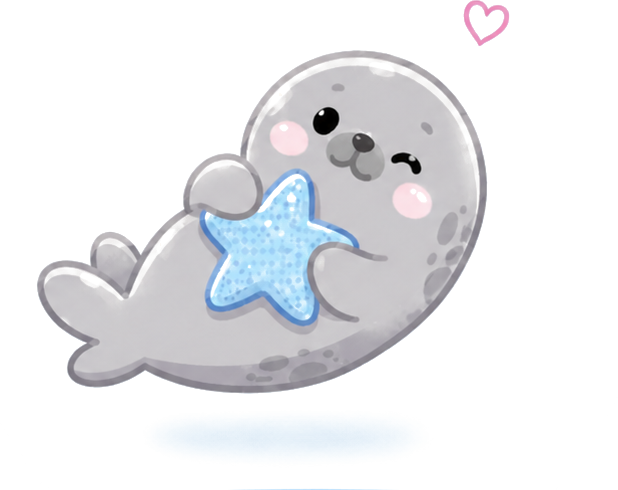
Cute Sea Lions mascot holding a blue starfish

Be the kindness you want to see online.

START HERE

Explore The Sea Lions

Use this table of contents to jump around the project and meet the creators behind it.

01 ABOUT US

Meet The Sea Lions

Meet the students behind The Sea Lions and learn why this topic matters to each of us.

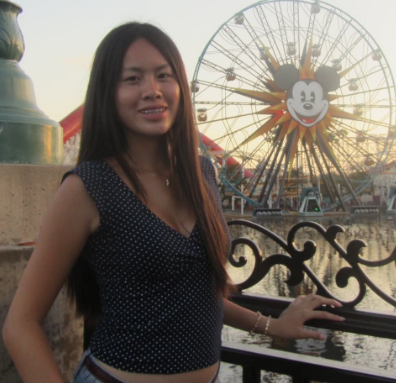
Vanessa Huynh

Vanessa Huynh

“Social media has increased globally and helped us connect with one another and easily share information. However, it has also led to many people fixating over their appearance as a result of dangerous social media habits and content. My mission is to ensure everyone who is affected, and to spread awareness about the issue, to remind themselves of their self-worth in this website.”
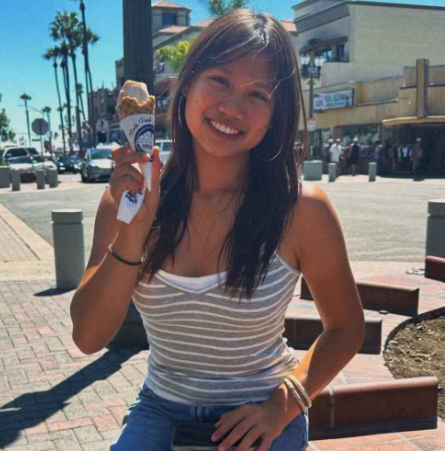
Hannah Nguyen

Hannah Nguyen

“We are devoted to empower youth and set an example of how individuals are not measured by curated standards. We aim to expose toxic online culture and create a safe space for everyone.”
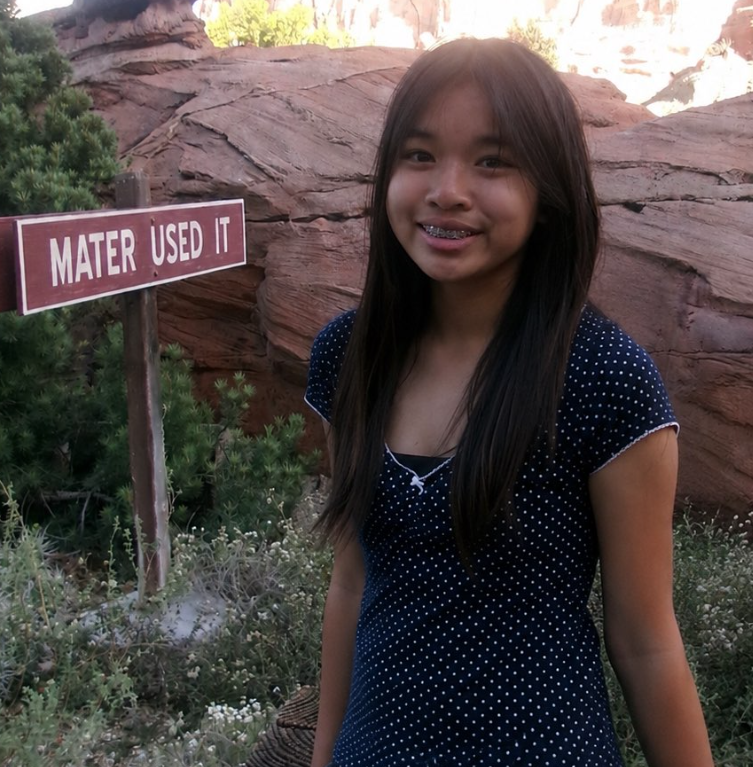
Anh Tonnu

Anh Tonnu

“We are a group of dedicated and passionate students driven to ensure everyone feels valued for who they are. We are committed to promote mental health and spread awareness about body dysmorphia.”

We believe in creating a safe space.

👥

Youth-Led

Created by students who care about mental wellbeing and supporting our generation.

♡

Awareness

Helping young people recognize the effects of toxic social media culture.

☺

Kindness

Spreading positivity, empathy, and encouragement online and in real life.

02 OUR MISSION

Helping young people see beyond the feed.

Our mission is to educate young people about toxic social media culture, encourage healthier online habits, promote kindness, and help people recognize unrealistic expectations they may encounter online.

Our Goal

To create a kinder digital environment through education, awareness, positive messages, and youth involvement.

03 THE ISSUE

What can make social media feel unhealthy?

These are some of the pressures that can affect how people feel about themselves and others online.

01

Social Comparison

Constantly comparing your life to carefully selected posts can make everyday life feel “not good enough.”

02

Unrealistic Expectations

Online content can create expectations that do not reflect the full reality behind a photo or video.

03

Edited & Filtered Content

Filters, editing, posing, and selective posting can change how something looks and how viewers interpret it.

04

Cyberbullying

Harassment, rude comments, and public shaming can seriously affect confidence and mental wellbeing.

05

Body Image & Wellbeing

Repeated exposure to appearance-focused content can increase self-criticism and pressure.

06

Toxic Online Trends

Some trends reward extreme opinions, risky behavior, or unhealthy comparison instead of balanced information.

A CLOSER LOOK

Why does this matter?

Social media is not always harmful, but what we see online can affect how we think about ourselves. Seeing edited photos, unrealistic expectations, and negative comments over and over can make comparison feel normal.

01

Why adolescents are most affected

Adolescents spend a lot of time online and may feel pressure to look or act a certain way. Seeing the same unrealistic standards repeatedly can make them seem normal.

02

The reality of filters

Filters, lighting, poses, and editing can make photos look very different from real life. Comparing yourself to edited images can create unrealistic expectations.

03

The impact of cyberbullying

Hurtful comments online can still seriously affect someone. Negative messages about appearance or personality can stay with a person even after they close the app.

04

Unattainable expectations

Some beauty and lifestyle trends promote standards that are difficult or impossible to reach. This can make people feel pressured to change themselves just to fit in.

THE NUMBERS BEHIND THE ISSUE

Social media is a big part of teen life.

Because social media is used so often, even small pressures can show up again and again. These numbers help show why healthier online habits matter.

95%

Up to 95% of teens ages 13 to 17 report using a social media platform.

46%

Nearly half of teens said social media makes them feel worse about their body image.

Source: U.S. Surgeon General advisory on social media and youth mental health.

04 INTERACTIVE VISUAL

What you see online is not always the full picture.

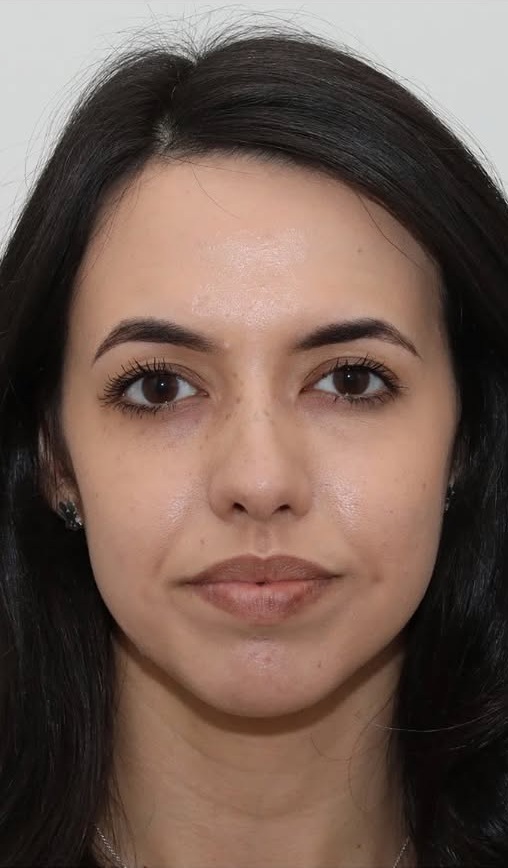
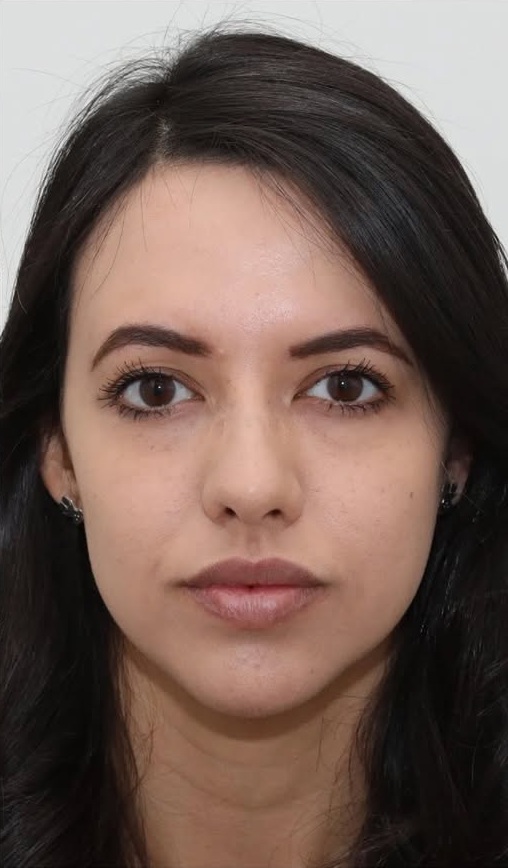
Drag the slider to compare each image. Before-and-after photos can look very different, but a photo does not always show the full context behind the change.

05 HEALTHIER ONLINE HABITS

What you can do to improve your social media habits.

You do not have to quit social media to use it in a healthier way. Small choices can help you feel more in control of what you see, share, and respond to online.

🌱

Curate Your Feed

Unfollow, mute, or hide accounts that constantly make you feel pressured. Make more room for content that is useful, supportive, or enjoyable.

🧠

Question What You See

Remember that posts can be edited, filtered, posed, sponsored, or carefully selected. One post rarely shows the full picture.

💬

Choose Kindness

Pause before commenting. Avoid appearance-based criticism, rumors, or messages you would not say respectfully face-to-face.

📵

Take Intentional Breaks

Put your phone down during homework, meals, hobbies, or before bed so your day is not controlled by constant scrolling.

🔕

Set Digital Boundaries

Turn off notifications you do not need and choose specific times to check apps instead of feeling like you have to respond immediately.

🔒

Protect Your Privacy

Review your privacy settings and think before sharing personal details, your location, passwords, or information about where you will be.

Try this today: Mute one account that adds pressure, take one screen-free break, and leave one kind comment.
06 KINDNESS WALL

Leave Something Kind

The internet doesn’t have to be negative. Share an encouraging message that someone might need today.

Why kindness matters online

Words online can have a real impact. A supportive comment can help someone feel welcomed, while a hurtful one can stay with them long after they close the app.

Our Kindness Wall gives people a place to leave positive messages and help make online spaces a little kinder.

0/180

Messages are sent privately to The Sea Lions for moderation. They do not appear publicly unless the team chooses to approve and add them.

“You are allowed to grow at your own pace.”
“Your value is bigger than likes, views, or followers.”
“You never have to look like someone else to be worthy.”
“A kind comment can change someone’s whole day.”
“What you see online is only part of the story.”
“Be patient with yourself today.”
07 LEARN MORE

Read, reflect, and take something useful with you.

We gathered research and practical guidance about social comparison, appearance-focused content, and healthier ways to use social media.

A one-minute feed check

  1. Pick one account you see often.
  2. Notice how its posts usually make you feel afterward.
  3. Look for filters, ads, selective posting, or unrealistic claims.
  4. If it repeatedly makes your experience worse, consider muting or unfollowing it.
08 KNOWLEDGE CHECK

Test what you know.

Answer 10 quick questions about online pressure, edited content, cyberbullying, privacy, and healthier social media choices.

Question 1 of 10 Score: 0

Loading question…

THANK YOU

Thanks for being here.

Thank you for taking the time to learn about toxic social media culture with us. Even a small choice, like leaving a kind comment, questioning an unrealistic post, or taking a break from your feed, can help make online spaces healthier.

Be kind online, and remember to be kind to yourself too.
GET INVOLVED

Want to support The Sea Lions?

Schools, student groups, and community organizations can use this project as a starting point for conversations about healthier online spaces.

Contact Us